
Hiking basics
How to have a good day out hiking
A good hike doesn’t take fancy gear or years of experience. It takes a little planning, a few things in your pack, and knowing what to expect. Here’s what I’d tell you if we were getting ready to head out together.
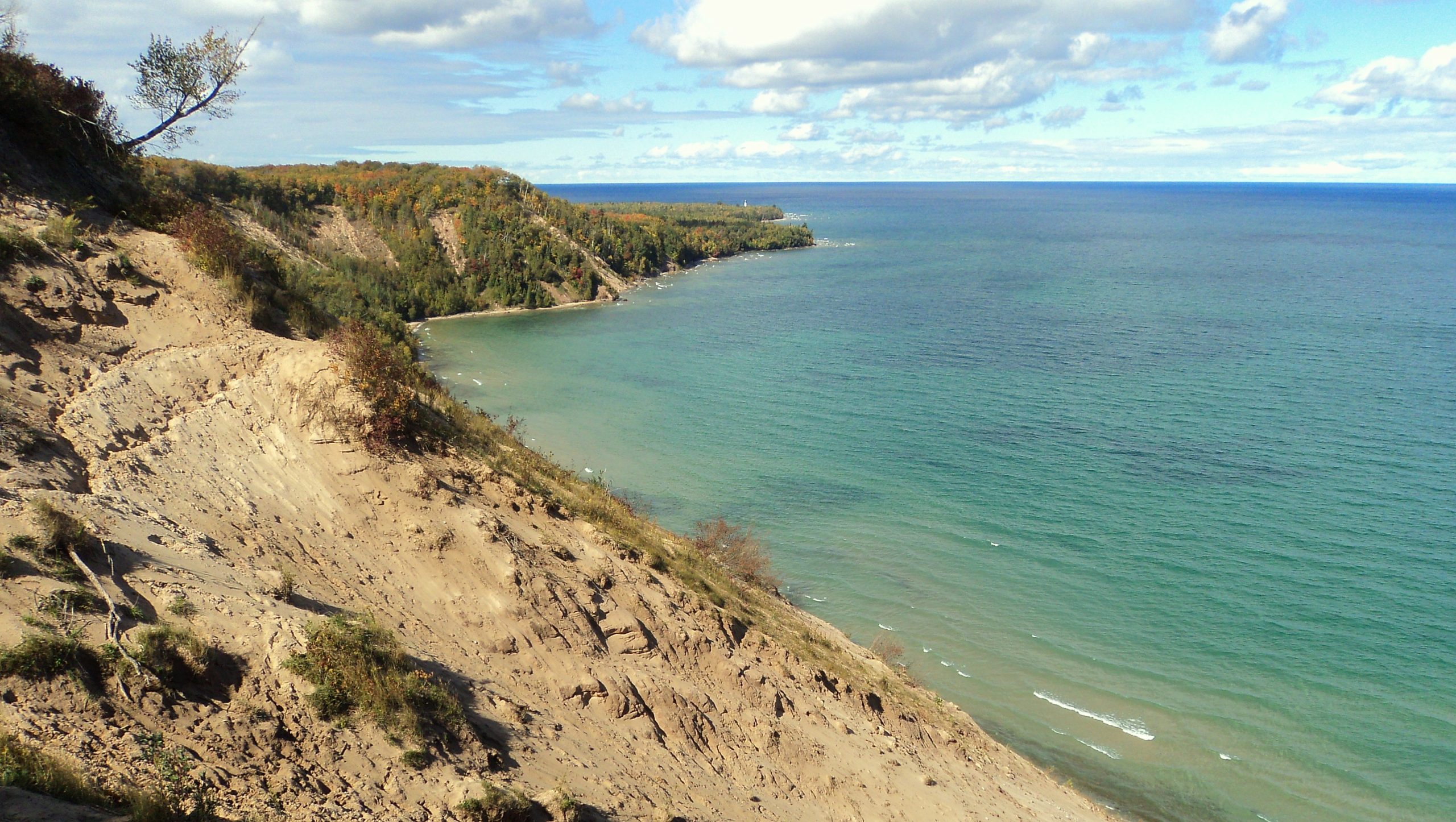
Before you go
A little planning goes a long way
Pick a trail that fits
Choose a hike that suits the slowest person in your group. Every hike on this site is rated easy, moderate or difficult, with the round-trip distance.
Check the weather
Weather off Lake Superior changes fast. A sunny morning can turn into wind, fog or a cold rain by lunch, especially near the shore.
Tell someone your plan
Leave a note with where you’re going and when you’ll be back: one copy with a friend, one on the seat of your car. Many trails here have no cell service, so don’t count on calling for help.
Save the map
Download or print the map and directions before you leave home, while you still have a signal.
Start early
Give yourself plenty of daylight. In spring and fall it gets dark sooner than you expect, and earlier still in the trees.
Know the rules
Parks may need a permit or day pass, and fire bans change with the weather. What to know before you go.
The Ten Essentials
Ten things to carry on every hike
Hikers have used this list for decades. You won’t need every item on every walk, but they’re what gets you home safely if something goes wrong: a twisted ankle, a wrong turn, or a storm that rolls in off the lake.
On a short, busy trail you can pack light. The farther you go from the road, the more of the list you’ll want.
- Navigation: a map, and a phone with the map saved offline (a compass if you know how to use one)
- Light: a headlamp or flashlight, with spare batteries
- Sun protection: sunglasses, sunscreen and a hat (the sun reflects off the water)
- First aid: a small kit with bandages, blister care and any medicine you need
- A knife or multi-tool
- Fire: matches or a lighter, kept dry
- Emergency shelter: a space blanket or emergency bivy
- Extra food: more than you think you’ll eat
- Extra water: and a way to treat water from streams
- Extra clothes: a warm layer and a rain jacket, even in summer
What to wear
Dress for the lake, not the parking lot
Layers
A base layer that dries fast, a warm middle layer and a rain jacket on top. Add and remove them as you warm up and cool down.
Skip the cotton
Cotton holds sweat and rain and keeps you cold. Choose wool or synthetic fabrics, especially for socks.
Good footwear
Shoes or boots with grip and support. Many trails here are rocky, rooty and wet, and some cross slippery bedrock.
Hat and gloves
Even in summer, it can be cold and windy on the shore. A light toque and gloves weigh almost nothing.
Around Lake Superior
Things to know about hiking up here
Bugs
Blackflies and mosquitoes can be fierce in late spring and early summer. Bring repellent, and a head net if you’re heading into the woods.
Ticks
Ticks are common in parts of Michigan, Wisconsin and Minnesota, and spreading in Ontario. Check yourself, your kids and your dog after every hike.
Cold water
Lake Superior stays cold all year. Be careful on wave-washed rocks, and keep a close eye on kids near the water.
Wildlife
This is bear and moose country. Make some noise on the trail, never feed animals, and keep your food packed away.
Remote trailheads
Some trails are down long gravel roads, with no services nearby. Fill up the gas tank and bring what you need.
Fog and wind
Fog can roll in off the lake in minutes and hide the trail markers. If you lose the trail, stop and retrace your steps.
On the trail
Habits that make for a good day
Set a turnaround time
Decide before you start when you’ll turn back, whether or not you’ve reached the end. The summit will still be there next time.
Go at the slowest pace
Keep the group together and let the slowest hiker set the pace. Take breaks to eat, drink and look around.
Stay on the trail
It protects the plants and keeps you from getting lost. Follow the blazes or markers, and stop if you can’t see the next one.
Leave no trace
Pack out everything you bring, and leave the place as you found it. Why it matters.
Your day hike checklist
Screenshot this or print it, and check it off before you leave home.
- Trail picked, and someone knows your plan
- Weather checked
- Map saved offline, phone charged
- Water and snacks (plus extra)
- Rain jacket and a warm layer
- Sunglasses, sunscreen and a hat
- Bug repellent
- First aid kit and any medicine
- Headlamp
- Knife, lighter and space blanket
- Toilet paper, a small trowel and a bag to pack it out
- Hand sanitizer
- Whistle (three blasts means “help”)
- Garbage bag to pack out what you bring
- Park pass or permit, if needed
- Going remote? A satellite messenger or personal locator beacon
- In the car: water, a snack and dry clothes for after
Come along
New hikes and trail notes from around the lake
A few times a season. No spam, and you can leave any time.